
Filament, Resin, and a Little Bit of Magic: The Materials That Make It All Happen
- M Aerospace RTC
- Nov 14, 2025
- 2 min read

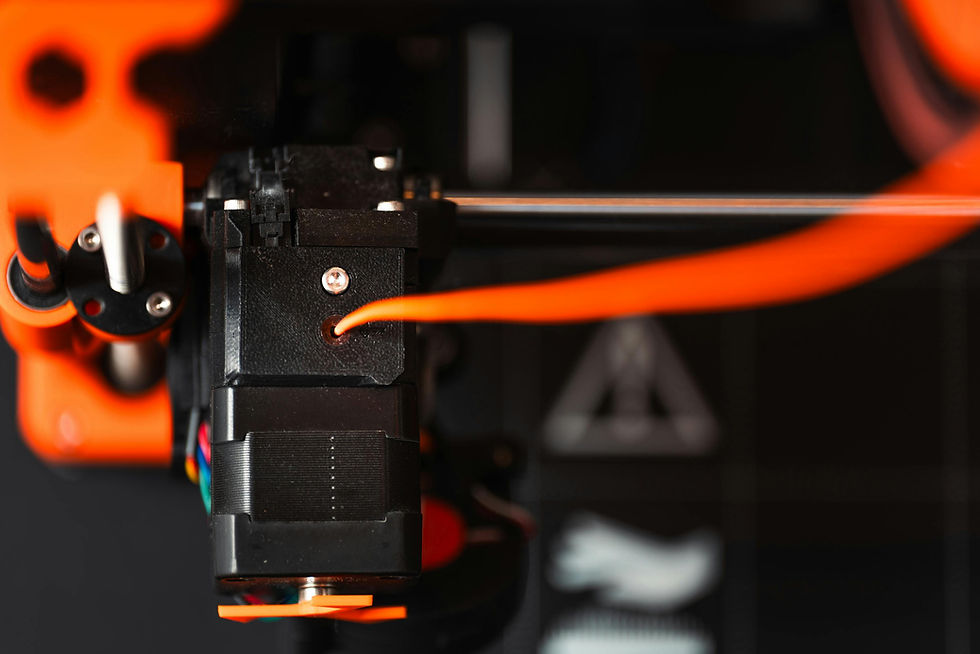
Diving into the world of 3D printing can feel like stepping into a magic workshop—except your magic wands are filaments and resin. Understanding 3D printing materials is the first step toward creating anything from practical parts to whimsical creations. Whether you’re exploring beginner 3D printing materials or looking to expand your toolkit, knowing the strengths and quirks of each material makes all the difference.
Let’s start with filaments. The best 3D printing filament depends on your project. Standard options like PLA, ABS, and PETG each have unique properties. PLA is user-friendly and perfect for beginners—it’s biodegradable, easy to print, and works well for intricate designs. ABS is tougher and more heat-resistant but requires careful handling to prevent warping. PETG combines strength and flexibility, making it ideal for functional parts. For more specialized needs, flexible 3D printing filaments offer rubbery, bendable prints, while eco-friendly 3D printer filament options reduce your environmental footprint. A quick 3D printer filament comparison can help you decide which fits your project.
Resin printing is a slightly different beast. A resin 3D printing guide is essential for beginners. Resin 3D printing tips include careful handling, proper curing, and understanding different 3D printer resin types. Resin allows for ultra-fine detail and smooth surfaces, making it ideal for miniatures, jewelry, and decorative items. Resin printing for beginners may seem intimidating, but with a bit of patience and a 3D printing starter tips checklist, it’s easy to get started.
Choosing the right material also involves knowing your printer and project requirements. A 3D printing material guide can help in choosing 3D printer material by highlighting properties like strength, flexibility, and durability. Remember, your design might require a different approach for 3D printing with PLA filament versus resin, and understanding filament 3D printing basics will prevent common mistakes.
Finally, preparation is key. Following a 3D printing setup guide ensures your printer is calibrated correctly and ready to handle your chosen materials. Knowing the strongest 3D printing filament for load-bearing parts or the easiest material for beginners can make your 3D printing journey smoother.
In the end, mastering materials is part of the fun. By comparing filament materials, exploring resin, and understanding what each can do, you’ll know exactly what you need to start 3D printing. With the right materials in hand, a little creativity, and a dash of patience, your prints can truly feel like magic.


Comments