
Creative Uses for Failed Prints
- M Aerospace RTC
- Dec 20, 2025
- 2 min read

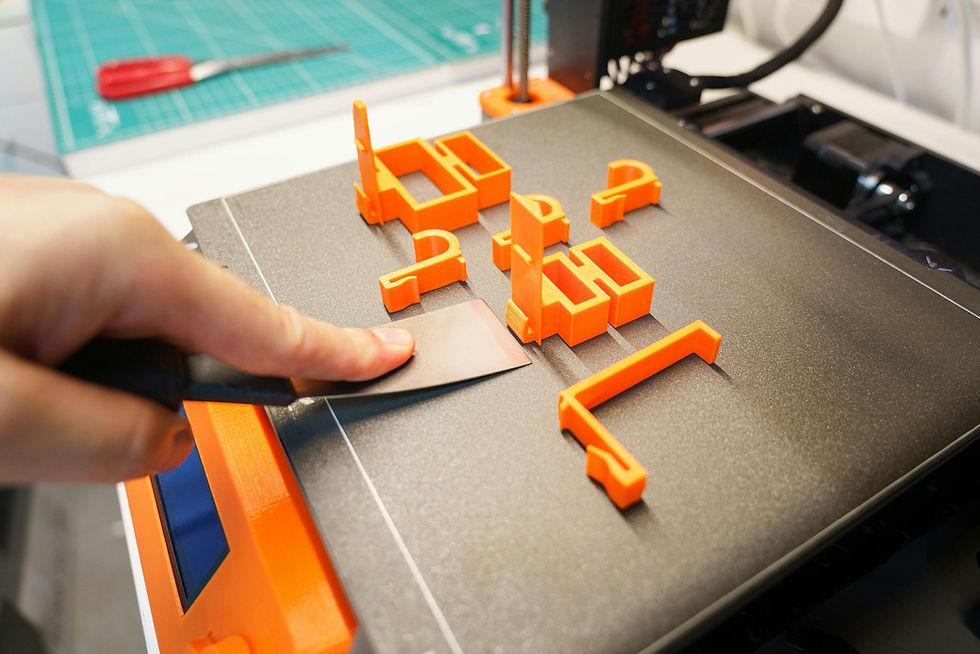
Every 3D printing hobbyist knows the frustration of failed 3D prints. Whether it’s a warped layer, misaligned sections, or a filament jam, printing errors can leave you with pieces that seem destined for the trash. But with a bit of creativity, you can salvage failed 3D prints and turn them into something functional, decorative, or even artistic. This approach not only reduces waste but also teaches valuable lessons in troubleshooting and improving your craft.
One of the simplest ways to repurpose 3D prints is through DIY projects. Small failed pieces can become fun 3D printing projects, such as custom keychains, ornaments, or even coasters. By slicing or reshaping a failed piece, you can turn printing mistakes into unique decoration ideas. Hobbyist 3D printing tips encourage exploring these creative projects to get more value from materials that might otherwise be discarded.
For larger failed prints, consider salvaging multi-material prints or repurposing PLA prints into new creations. Broken models can be glued together to form abstract sculptures, or their components reused in multi-part projects. This not only reduces 3D print waste but also inspires innovation, as you learn to see your failed filament as opportunities rather than setbacks. Beginner 3D print projects are ideal for practicing these techniques, allowing new hobbyists to experiment with creative filament reuse without risking expensive or important prints.
Failed print solutions can also involve functional uses. For example, warped pieces can serve as plant pot supports, cable organizers, or custom drawer dividers. Repurposing 3D prints for everyday tasks is a practical way to avoid waste while adding a personal touch to your home or workspace. Turning failed prints into art is another exciting avenue—painting, sanding, or combining multiple failed pieces can create eye-catching, one-of-a-kind designs that celebrate creativity over perfection.
3D print recycling is another smart strategy. Some hobbyists grind PLA or ABS scraps to create new filament, while others donate or trade small failed parts for experimentation. Creative uses for printing errors like these not only minimize environmental impact but also help you learn from your mistakes. Each failed print becomes a teaching moment, highlighting areas for improvement in calibration, layer adhesion, or print settings.
By embracing failed filament hacks and upcycling 3D prints, hobbyists can turn frustration into opportunity. Whether it’s functional repurposing, decorative projects, or artistic expression, failed prints no longer need to be discarded. With these creative 3D printing projects, you’ll save material, reduce waste, and transform printing mistakes into rewarding outcomes—proving that even failures can lead to fun and inspiration.


Comments